How to Create Your Wedding Guest List (Without Losing Your Mind)
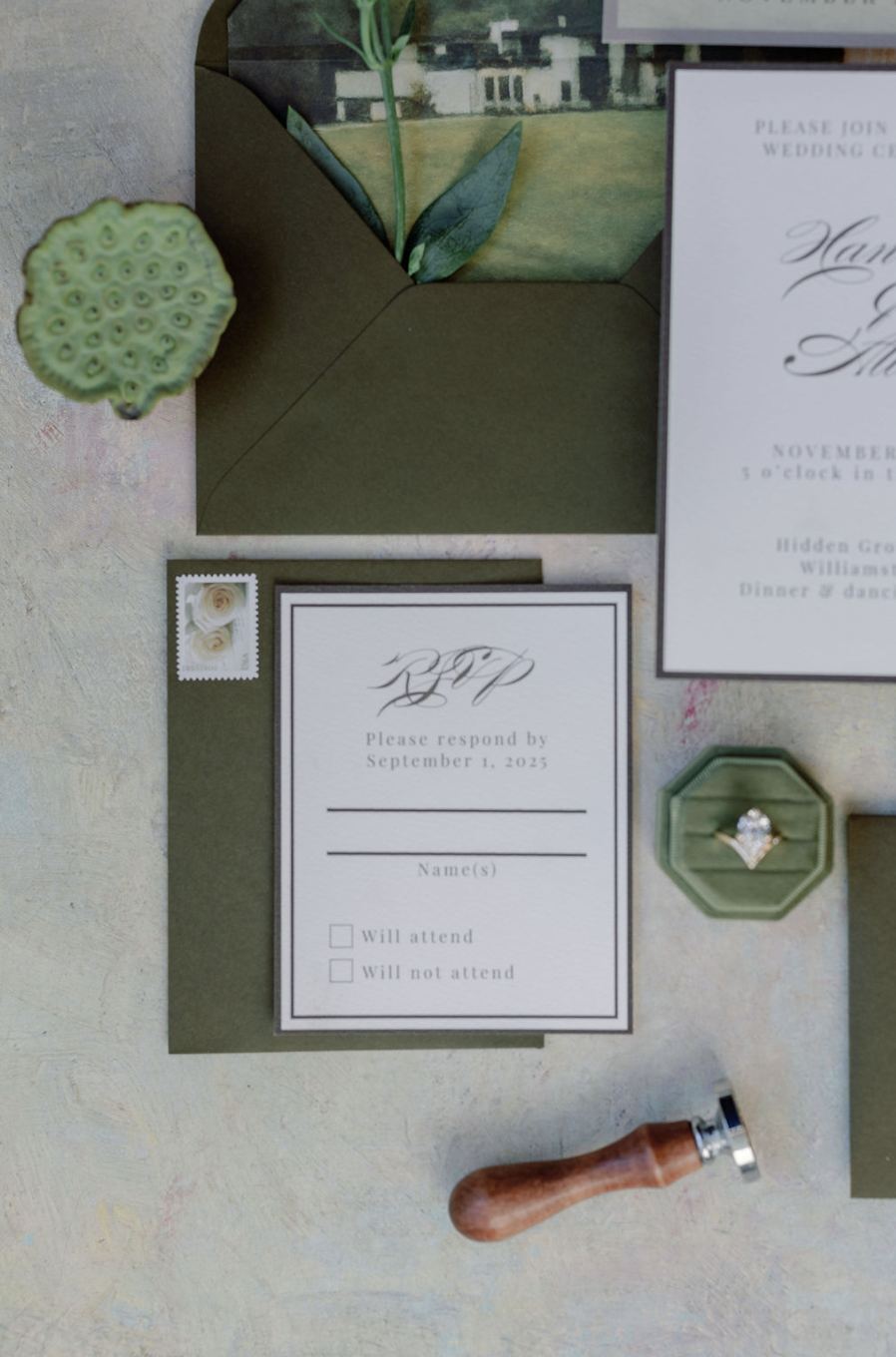
Photo Credit: Shirlee Photography
1. Start With Your Vision
Before writing down a single name, ask yourselves:
Are we dreaming of an intimate gathering or a large celebration?
Do we want a formal evening affair or a relaxed, casual vibe?
What kind of atmosphere feels right for us?
Your guest count shapes everything. A 50-person celebration feels entirely different from a 200-person party. Clarifying your vision first will guide every decision that follows.
2. Determine Your Budget
Your guest list and budget are directly connected.
Before finalizing your list:
Decide on a comfortable spending range.
Determine what kind of catering you envision- Buffet? Family style? Plated? Each style of catering will determine cost per person invited.
Once you know your limits, you’ll have a clear framework to work within.
3. Create a Master List
(Then Categorize It) Start by listing everyone you can think of:
Immediate family
Extended family
Close friends
Work colleagues
Childhood friends
Family friends
Then divide your list into tiers. This tier system makes trimming much easier if needed.
Tier 1 – Must Invite
People you cannot imagine getting married without.Tier 2 – Would Love to Invite
Important people, but not absolutely essential if space becomes tight.Tier 3 – Nice to Invite
Acquaintances, distant relatives, coworkers, etc.
4. Set Clear Boundaries Early
Guest list stress often comes from unclear expectations.
Discuss:
Are children invited?
Are plus-ones automatic or selective?
Are we inviting coworkers?
Are parents contributing financially — and if so, do they expect input?
If parents are helping pay, it’s common to allocate them a specific number of guest slots. Agreeing on these numbers early avoids tension later.
5. Use the “Current Relationship” Rule
If you’re unsure about someone, ask:
Have we spoken in the past year?
Would we take them to dinner if they were in town?
Will they play an ongoing role in our future?
Weddings celebrate your present and future — not just your past.
6. Think in Households, Not Individuals
When calculating numbers, count:
Married couples
Long-term partners
Families with children
This helps you see how quickly numbers add up and keeps your planning realistic.
7. Be Strategic About Plus-Ones
A helpful guideline:
Married, engaged, and long-term partners → Always invited together.
Single guests in the wedding party → Usually receive a plus-one.
Casual dating situations → Decide based on space and budget.
If keeping numbers smaller is important, you can limit plus-ones to established relationships. At the end of the day, it is your wedding and your choice.
8. Prepare for Tough Conversations
It’s impossible to invite everyone — and that’s okay. If someone asks why they weren’t invited, a simple, gracious response works best:
“We’re keeping the wedding very small and had to make some difficult decisions.” You don’t owe detailed explanations.
9. Build an “A List” and “B List”
If you are worried about capacity:
Send invitations to your A List first.
Once RSVPs come in, invite guests from your B List as space allows.
This strategy ensures you don’t exceed your guest limit while still including more people if possible.
10. Remember What the Day Is Really About
Your wedding guest list should reflect the people who:
Support your relationship
Celebrate your love
Will bring positive energy to your day
It’s not about obligation — it’s about connection.
Final Thoughts on Creating Your Wedding Guest List
Creating your guest list is less about pleasing everyone and more about protecting your experience. When you focus on your vision, your budget, and the relationships that truly matter, your list will naturally take shape.
And once it’s finalized? You’ll have built the foundation for a celebration filled with the right people — the ones who will cheer, cry, dance, and remember this day with you for years to come. 💍